
Recipes / Sides
Sousboontjies (sweet and sour bean salad)
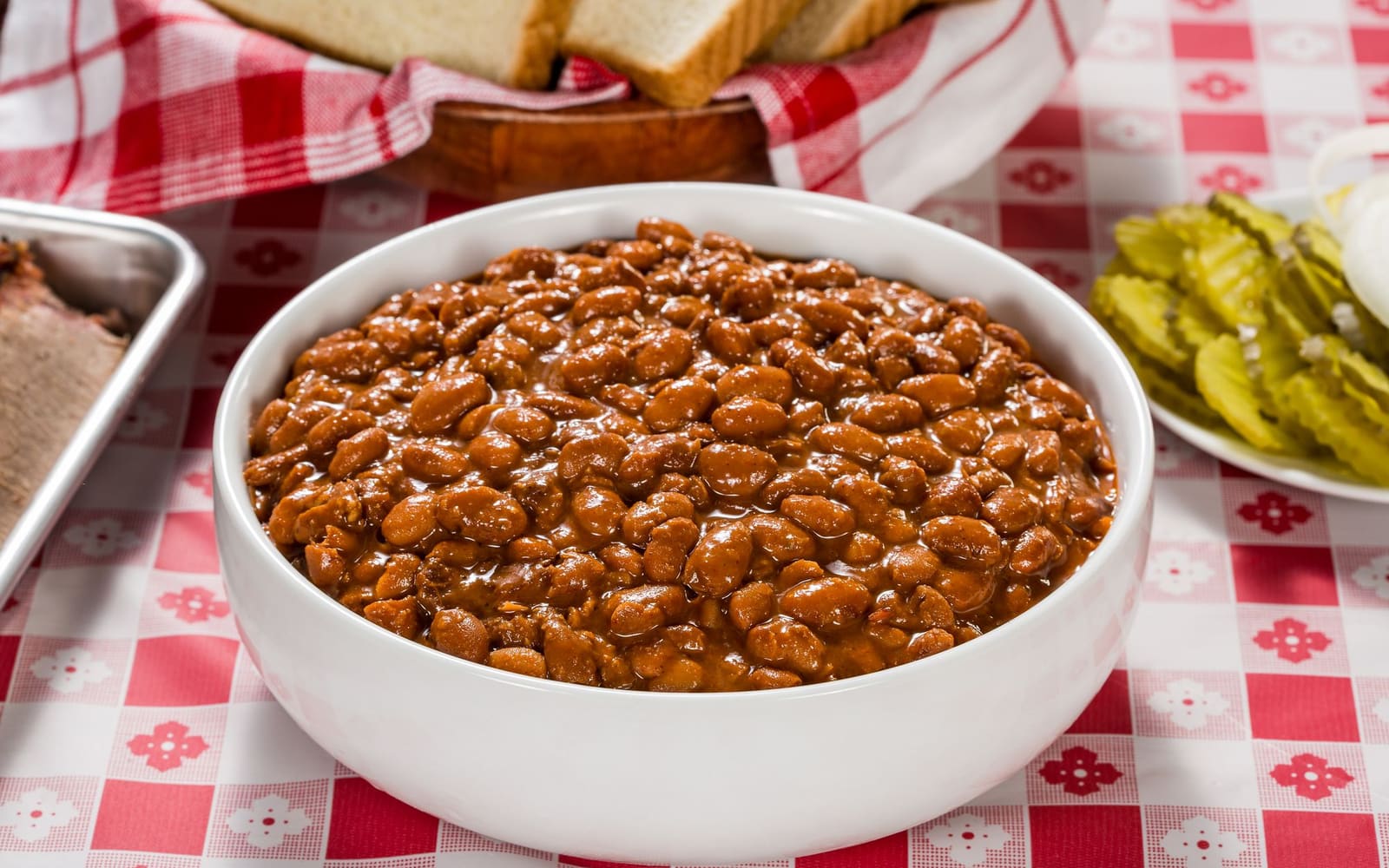
Dried sugar beans simmered soft on the stove, partly mashed, then finished with vinegar, sugar and butter. Serve warm or cold.
- CoalsGas
- No fire needed
- Prep
- 10 min
- On the fire
- 2 hr 15 min
- Plan ahead
- overnight soaking
- Serves
- 8
Ingredients
To finish
Method
- Tip the beans onto a tray and pick out any stones and broken or discoloured beans.
- Rinse the beans, put them in a large bowl and cover with three times their depth of cold water. Leave to soak overnight.
- Drain and rinse the beans. Put them in a large pot with the bay leaf and cover with fresh water by 5 cm (2 inches).
- Bring to the boil on the stove and boil hard for 10 minutes. Turn the heat down and simmer, partly covered, for 1 1/2 to 2 hours until the beans are completely soft.
- Check every 30 minutes and top up with boiling water if the beans poke above the surface. Do not add salt yet, or the skins stay tough.
- When the beans are soft, ladle off liquid until about 250 ml (1 cup) is left in the pot. Take out the bay leaf.
- Mash about a quarter of the beans against the side of the pot with a fork or potato masher. This thickens the sauce.
- Stir in the vinegar, sugar, butter, salt and pepper. Simmer uncovered for 10 to 15 minutes, stirring often, until thick and glossy.
- Taste and add more sugar or vinegar as you like. Serve warm, or cool and chill.
Done when: the beans are soft right through, some have broken down into a thick sauce, and the taste is sweet and sour in balance.
Tips
- For a quicker version, use 5 cans, 400 g (14 oz) each, of pinto or borlotti beans, drained and rinsed, with 250 ml (1 cup) water. Start at the mashing step.
- Some cooks fry a chopped onion in the butter first, or add a pinch of ground cloves with the vinegar.
- It keeps for a week in a closed container in the fridge, and thickens as it stands. Loosen it with a splash of water before serving.
Sousboontjies are an old Afrikaner farm dish, made when dried beans were a pantry staple and vinegar was the way to keep food. They were often bottled in jars and brought out for the Sunday roast or a braai. The sugar bean, a speckled bean grown widely in South Africa, gives a creamy texture. They are cooked on the stove, so make them the day before and the fire stays free for the meat.